18+ informational site. Not medical or legal advice. We do not sell alcohol and we do not promote binge drinking or underage consumption. In an emergency call 000.
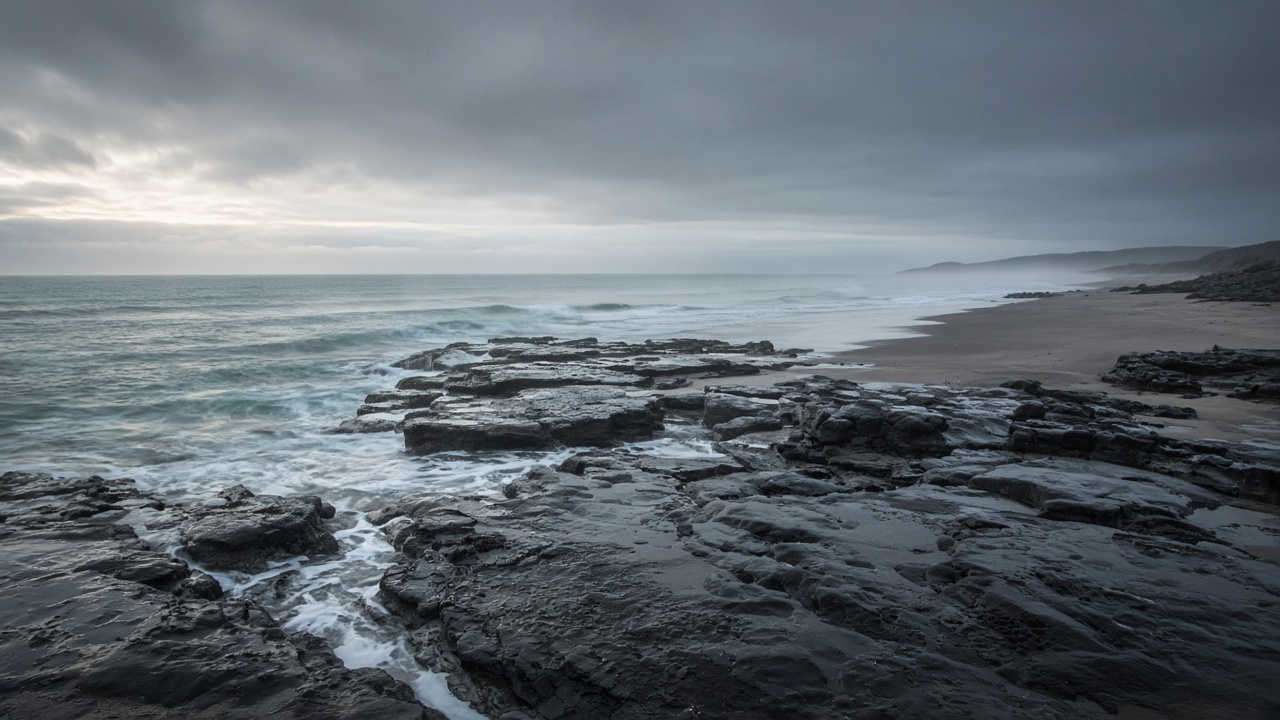
Calm southern Australian coastline at first light — empty beach, teal water, slate sky

Australia · 18+ education

What Australians should know about alcohol types, standard drinks, and lower-risk drinking

Beer, wine, spirits, cider, and RTDs counted in 10-gram standard drinks — then the NHMRC numbers. We do not sell alcohol and we do not treat a style page as a reason to drink.

At a glance

One standard drink
10 g
Standard drinks / week
10
Standard drinks / any day
4
750 mL wine at 13%
~7.7
570 mL pint at 4.9%
~2.2
This site’s audience
18+

What this site is

Alcohol.net.au is an independent education site for Australian adults. It exists so you can tell a lager from an IPA, count the standard drinks in a schooner or a bottle of wine, and read what the NHMRC actually published — without a catalogue, a tasting note, or a sales pitch.

An Australian standard drink contains 10 grams of pure alcohol. That measurement is the same whether the drink is beer, wine, or spirits. The National Health and Medical Research Council’s 2020 guidelines recommend no more than 10 standard drinks a week and no more than 4 on any one day for healthy adults. The less you drink, the lower your risk. Those figures are not a target and they are not a safe-drinking guarantee.

Typical ABV ranges on style pages are educational. The label on the product in your hand wins. Packaged drinks in Australia generally state the number of standard drinks — use that number.

This site does not glamorise intoxication, publish recipes for drinking games, or treat pregnancy, driving, or under-18 use as grey areas. When we summarise a guideline we link to the official page. If you need personal advice, talk to a GP or a recognised Australian support service.

We cite the NHMRC for the 10-gram unit and the 2020 adult numbers, healthdirect for public health information, and DrinkWise for consumer labelling. Style pages list educational ABV ranges so you can do the maths. They are not a ranking of what to buy and they are not a cellar. The product label wins.

If you arrived looking for help rather than a count, skip the drink-type hubs. Call 000 in an emergency. Lifeline is 13 11 14. healthdirect is 1800 022 222. Confirm those numbers on the official sites.
Highlights

Six things this guide will actually tell you

Most people arrive with one product in mind — a pint, a bottle, a nip. The useful answer is always grams of alcohol, then the guideline, then whether you should drink at all.

  1. Ten grams is one drink

    An Australian standard drink is 10 grams of pure alcohol. A glass, a can, or a “nip” is not automatically one. Count the label, not the container.

  2. ABV is an input, not a dare

    Alcohol by volume is the percentage on the label. It is the number that goes into litres × ABV × 0.789. It is not a ranking of what to buy.

  3. Styles are not a shopping list

    Lager, IPA, red wine, and whisky pages exist so you can count typical labelled ranges. They are not tasting notes and they are not a cellar.

  4. A wine bottle is not six drinks

    A 750 mL bottle of 13% wine is about 7.7 Australian standard drinks, not six restaurant glasses. Sparkling is counted the same way at the same ABV.

  5. Same alcohol, different pace

    A 285 mL full-strength beer, 100 mL of 13% wine, and a 30 mL nip of 40% spirits are the NHMRC examples of about one standard drink. The container does not decide the count.

  6. The guideline is not a target

    No more than 10 a week and 4 on any day. Not drinking is always allowed. Do not drink if you are under 18, pregnant or planning a pregnancy, or about to drive.

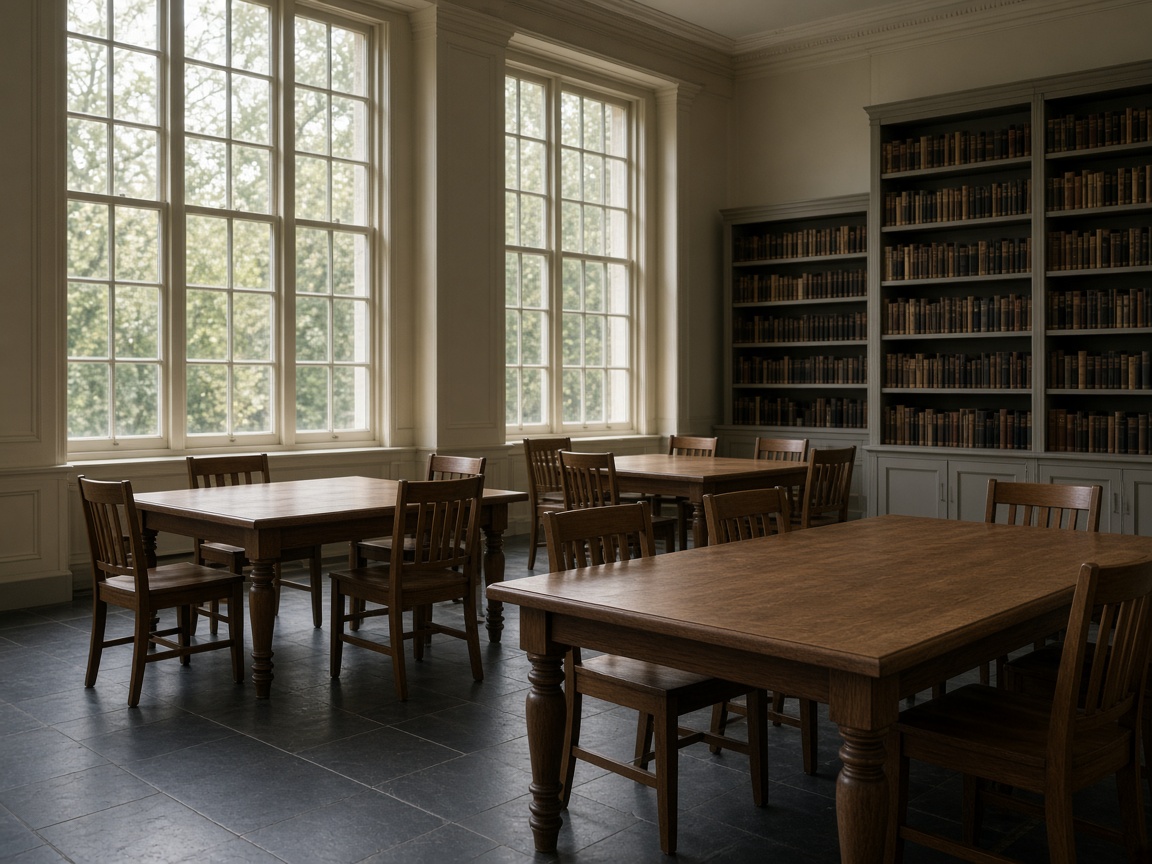
Quiet reading room — alcohol.net.au is an information source, not a retailer

The official numbers

Ten a week. Four on any day. Ten grams is one drink.

The National Health and Medical Research Council’s 2020 guidelines are the adult reference: no more than 10 standard drinks a week and no more than 4 on any one day. The less you drink, the lower your risk. An Australian standard drink is 10 grams of pure alcohol — the same in beer, wine, or spirits.

Those numbers keep lifetime risk below a stated 1-in-100 threshold in the guideline evidence. They do not make drinking safe. They are not a daily allowance. They are not medical clearance for anyone with illness, on medicines, or under 18.

Drink-type pages on this site exist so you can count what is in a schooner, a bottle, or a nip — not so we can sell you one.

NHMRC guidelines
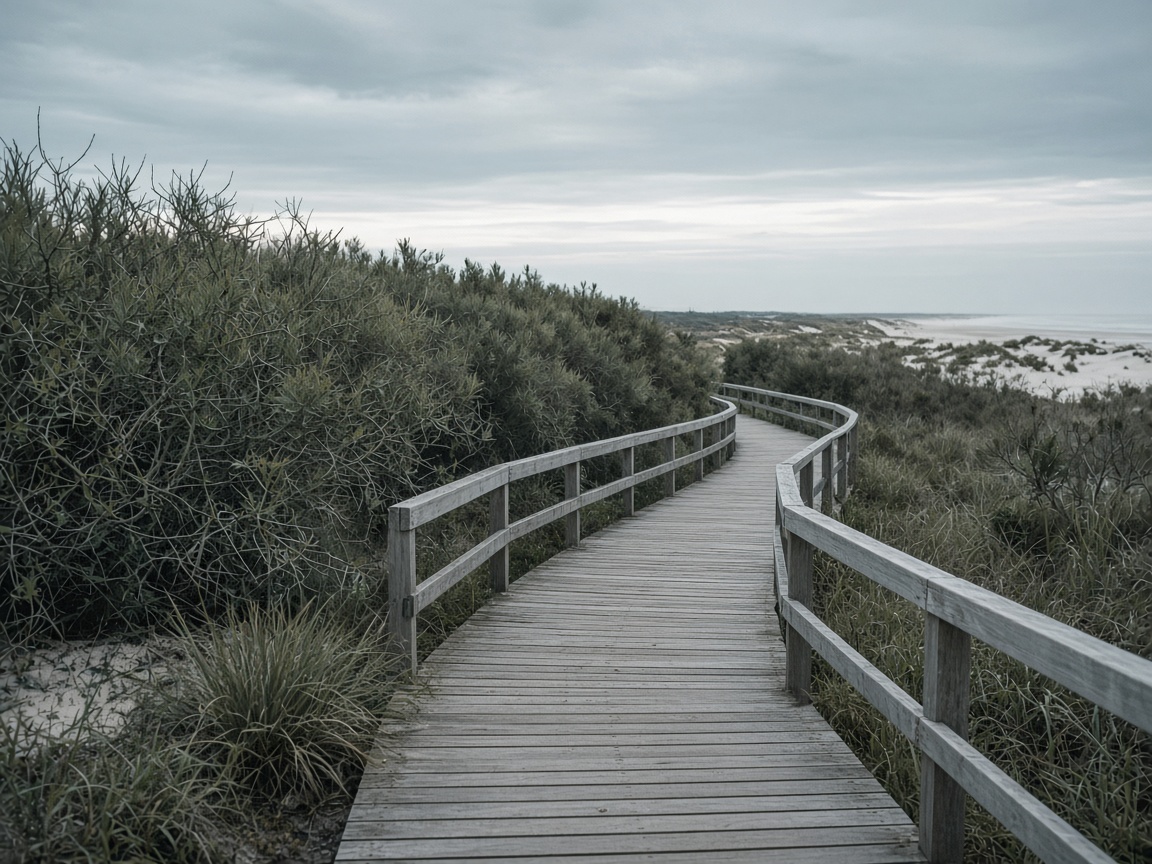
Empty coastal boardwalk — harm reduction is about getting home, not drinking more

Beer, wine, spirits

Same alcohol. Different serve. Different pace.

A 285 mL full-strength beer at about 4.9%, a 100 mL pour of 13% wine, and a 30 mL nip of 40% spirits are the NHMRC examples of about one standard drink. The container does not decide the count — the grams of alcohol do.

Style pages (lager, IPA, red wine, whisky) explain typical labelled ABV ranges so you can do the maths. They are not tasting notes and they are not a ranking of what to buy.

If you will drive, do not drink. If you are pregnant or planning a pregnancy, the guideline is not to drink. Those facts live on the guidelines and FAQ pages.

Beer types
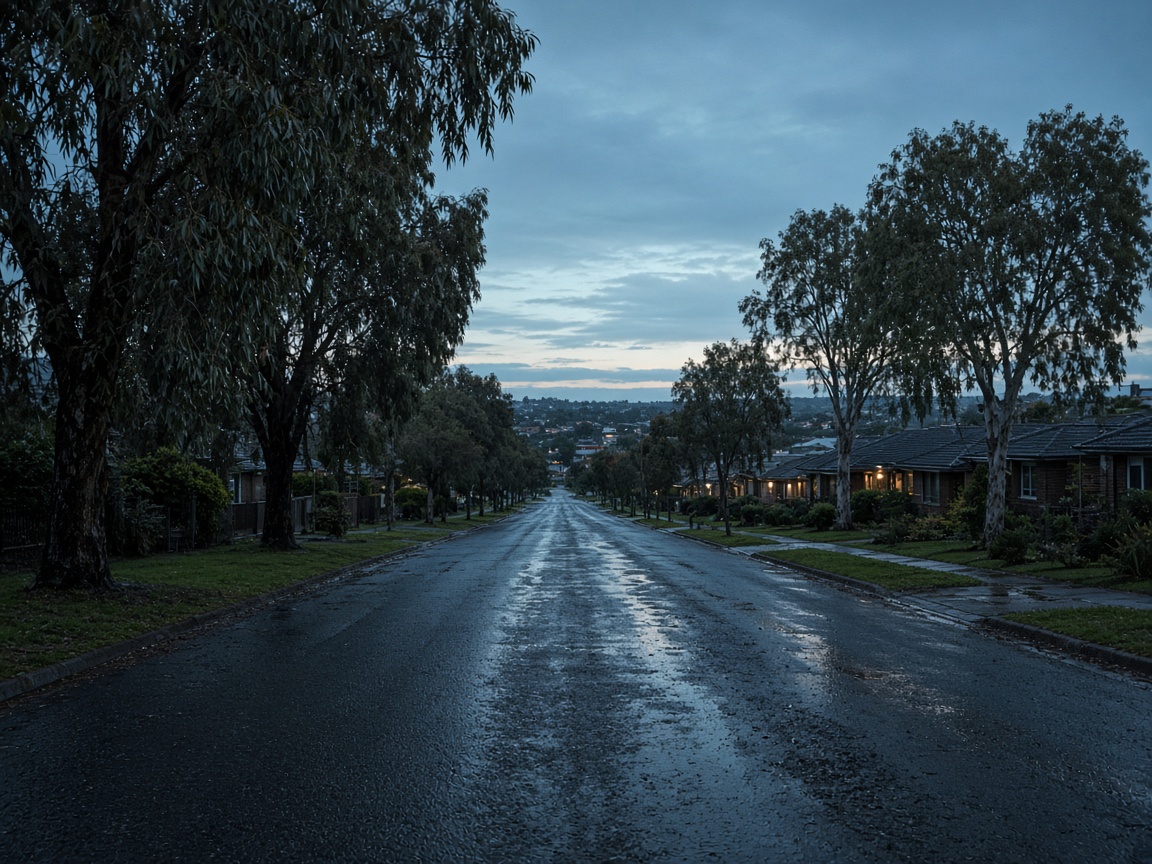
Quiet Australian street at dawn — drink-driving and public drinking rules are local law

How to count

Litres × ABV × 0.789 — or just read the label

Packaged drinks in Australia generally state the number of standard drinks on the label. Use that number. A 375 mL full-strength beer is commonly around 1.4–1.5 standard drinks, not one. A 750 mL bottle of 13% wine is about 7.7.

ABV — alcohol by volume — is the percentage on the label. It is the input to the formula. It is not a dare.

We do not publish a live calculator that pretends your body is a spreadsheet. The static examples are for counting products, not predicting BAC.

Standard drinks explainer

Three ways in

Start with the question you actually have

Start with the measurement if you have a can in your hand. Start with beer, wine, or spirits if you want typical ABV. Start with the guidelines if you want the official adult numbers.

Measurement

Standard drinks

Ten grams of alcohol, the label, and the litres × ABV × 0.789 formula — with NHMRC examples for beer, wine, and spirits.

Learn more

Drink types

Beer, wine, and spirits

Family hubs with typical labelled ABV ranges and links to lager, IPA, red, white, whisky, and the rest. Education, not a shop.

Learn more

Official guidance

NHMRC guidelines

What the 2020 advice says for healthy adults, people under 18, and pregnancy — with outbound links to the official pages.

Learn more

Need support?

This site cannot replace a GP, a counsellor, or 000

If alcohol is affecting your health, work, relationships, or safety — or someone else’s — speak with a doctor or a recognised Australian support service. In a life-threatening emergency, call 000.

Lifeline is 13 11 14. healthdirect is 1800 022 222. State and territory alcohol and drug information services are listed via the Alcohol and Drug Foundation.

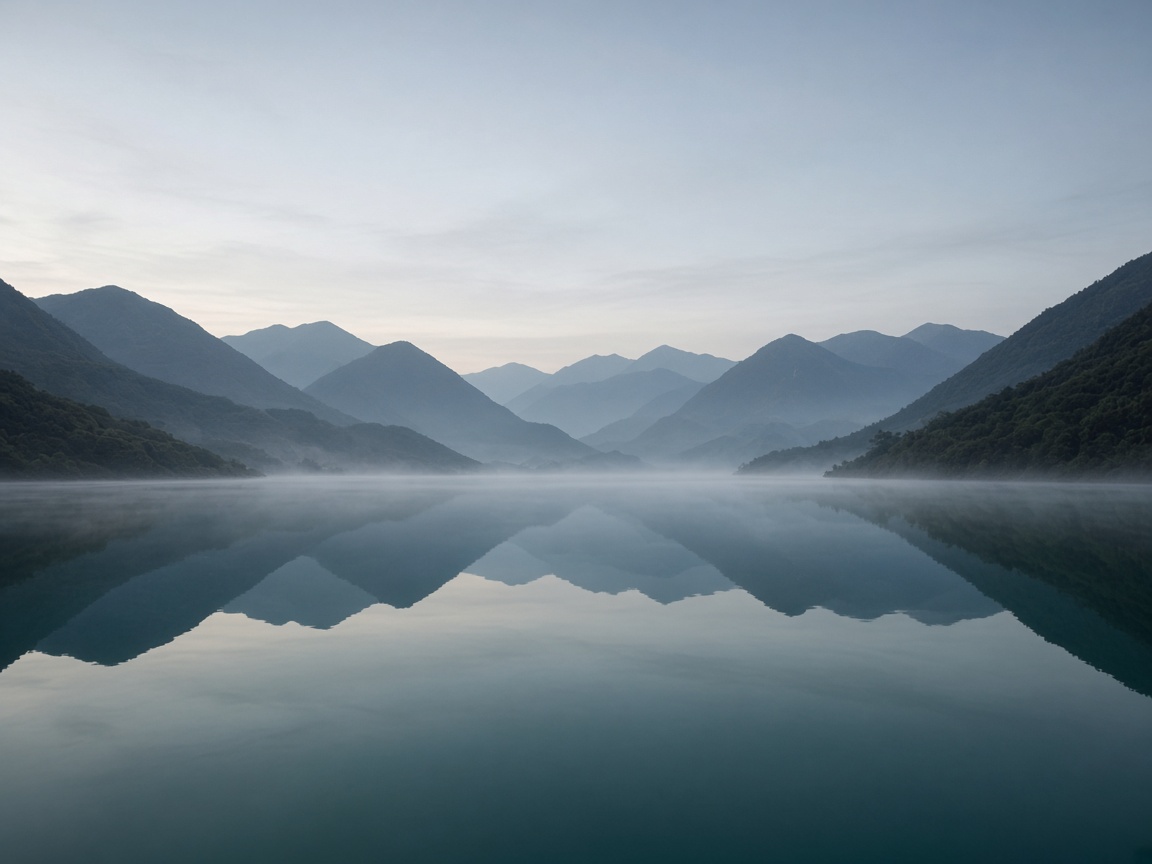
Still water at dawn — a pause, not a pour

Questions

Questions people actually ask

Direct answers first — the questions people type into search and ask assistants.

An Australian standard drink contains 10 grams of pure alcohol. The type of drink does not change that. See the standard drinks page and the NHMRC examples.

Count the drink, then read the guideline

Start with standard drinks, then the NHMRC numbers, then the beer, wine, or spirits hub that matches what you are looking at.